Insights
Research, publications, and learning from our practice across health systems strengthening.
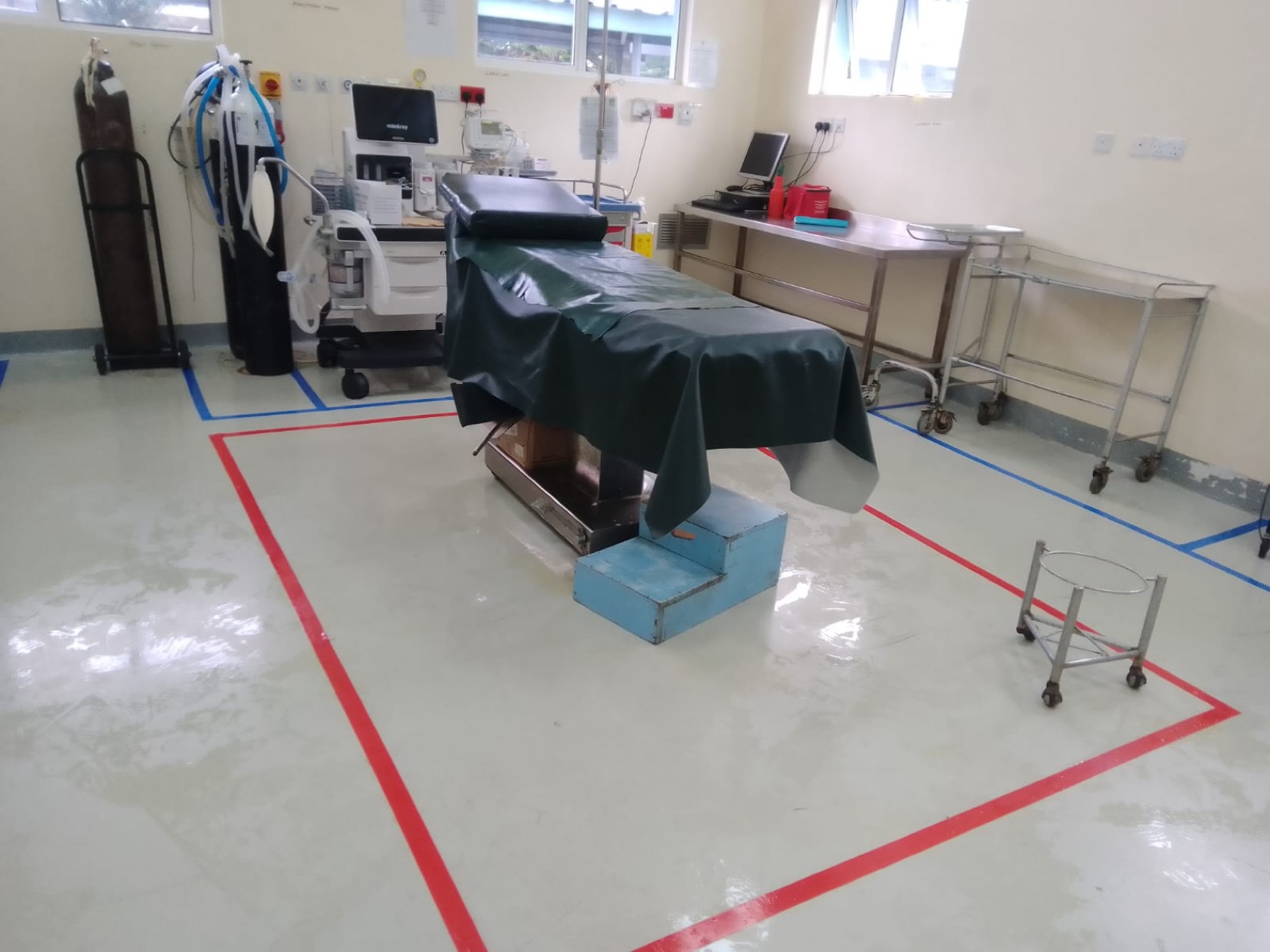
Why Safety and Quality Governance is a Core Management Discipline
In most health systems, safety and quality are treated as clinical concerns — the domain of infection control nurses or quality officers. This framing is the root of the problem. When safety is not embedded in governance structures and leadership accountability, it remains perpetually underfunded, under-prioritised, and reactive.
March 2026
Revenue Cycle Management: The Hidden Engine of Health System Sustainability
Health facilities across Africa lose significant revenue annually through inefficient registration, incorrect coding, denied insurance claims, and uncollected patient balances. These are not accounting failures — they are system failures that directly reduce the resources available for patient safety, staffing, and equipment.
February 2026
From Data to Decision: Building Learning Health Systems in Emerging Markets
A health system operating with limited data, fragmented evidence, and weak mechanisms for translating learning into action is flying blind. Our work in MERL is not academic — it is about building the organisational infrastructure for continuous improvement and evidence-based adaptation at every level of the system.
January 2026
The 3Cs Sustainability Iceberg: What Lies Beneath Health System Dysfunction
Most health system interventions address the visible symptoms — stockouts, long wait times, high staff turnover. The 3Cs Sustainability Iceberg model helps organisations diagnose the deeper structural and cultural factors that drive surface-level dysfunction, enabling lasting rather than cosmetic change.
December 2025
Collaborative Co-creation: Why Local Ownership Determines Programme Longevity
Externally designed programmes — however technically sound — routinely fail to survive beyond the engagement period. At SYSTEMS Evaluation, co-creation is not a methodology buzzword; it is the mechanism through which local institutions develop the will, skill, and infrastructure to sustain change independently.
November 2025
Psychological Safety in Healthcare: The Foundation of a Learning Culture
When health workers fear blame, incident reporting systems fail. When near-misses go unreported, systemic risks go unaddressed. Building psychological safety — an environment where staff can speak up without fear of retribution — is not a culture programme; it is a patient safety imperative.
October 2025